June 8, 2026
In 2026, the field of landscape design has continued to evolve, borrowing from both technology and environmental consciousness. This evolution reflects a growing awareness of how outdoor spaces not only enhance home value but also contribute to ecological balance and personal well-being. Landscape design trends are increasingly blending innovation and sustainability, a reflection of the broader societal shift towards more mindful living. With every innovation, there is an emphasis on creating spaces that are not only beautiful but also functional and sustainable. This article explores some of the most popular landscape designs that homeowners, landscape architects, and gardening enthusiasts should consider incorporating into their outdoor spaces.
Integration of Smart Technology
Smart Irrigation Systems
Smart irrigation systems represent a leap in water management, optimizing water usage with precision. These systems leverage sensors and weather data to deliver the right amount of water at the right time, which is crucial in maintaining healthy landscapes while conserving resources. Homeowners can manage their irrigation systems remotely through apps, ensuring their gardens thrive even when they are away. According to Home Guide, realtors recommend setting aside 5% to 15% of your home's total value on landscaping, and smart irrigation is an excellent way to ensure your investment leads to long-term savings. By reducing over-watering and preventing wastage, these systems are pivotal in sustainable landscape practices.
Automated Lighting Solutions
Automated lighting solutions, such as motion-activated and solar-powered lights, are transforming how we illuminate our outdoor environments. These lights enhance safety by automatically lighting up walkways and other areas when they detect movement. Additionally, solar-powered options help reduce electricity usage, aligning with eco-friendly practices. These solutions provide an opportunity to highlight architectural features and create ambiance while reducing manual effort. By integrating such intelligent lighting solutions, homeowners can enjoy outdoor settings that are not only safer but also more aesthetically pleasing.
Emphasis on Sustainability
Xeriscaping
Xeriscaping is a landscape design trend that focuses on reducing water usage by selecting plants and design strategies that thrive in local climates. This approach is particularly beneficial in arid and drought-prone regions, where water conservation is a top priority. By utilizing a combination of drought-resistant plants, efficient irrigation techniques, and strategic planning, xeriscaping supports environmental sustainability. Xeriscaped gardens require minimal maintenance, allowing homeowners to enjoy aesthetically pleasing outdoor spaces with reduced resource input. As awareness of climate change grows, xeriscaping is becoming increasingly popular as a water-efficient landscaping solution.
Use of Native Plants
Incorporating native plants into landscape designs is crucial for maintaining ecological harmony and ensuring low maintenance. Native plants are adapted to local conditions and require less water, fertilizers, and pesticides, making them a sensible choice for sustainable gardening. By choosing local flora, homeowners and designers can support biodiversity and attract beneficial pollinators like bees and butterflies. Additionally, native plants offer cultural and aesthetic value, often showcasing unique characteristics reflective of a region's natural heritage. Embracing native plantings is both a financially and environmentally sound investment in one's landscape.
Permaculture Principles
Permaculture principles aim to create self-sustaining landscapes that work in harmony with nature. This approach involves designing gardens to mimic natural ecosystems, with an emphasis on regenerative and sustainable practices. By incorporating elements such as companion planting, natural pest control, and soil regeneration, permaculture gardens minimize resource inputs and maximize productivity. This philosophy extends beyond the garden, fostering a holistic approach to living sustainably. As landscape designers increasingly turn to permaculture, it offers a blueprint for resilient and thriving garden spaces that adapt over time.
Focus on Outdoor Living Spaces
Outdoor Kitchens and Dining Areas
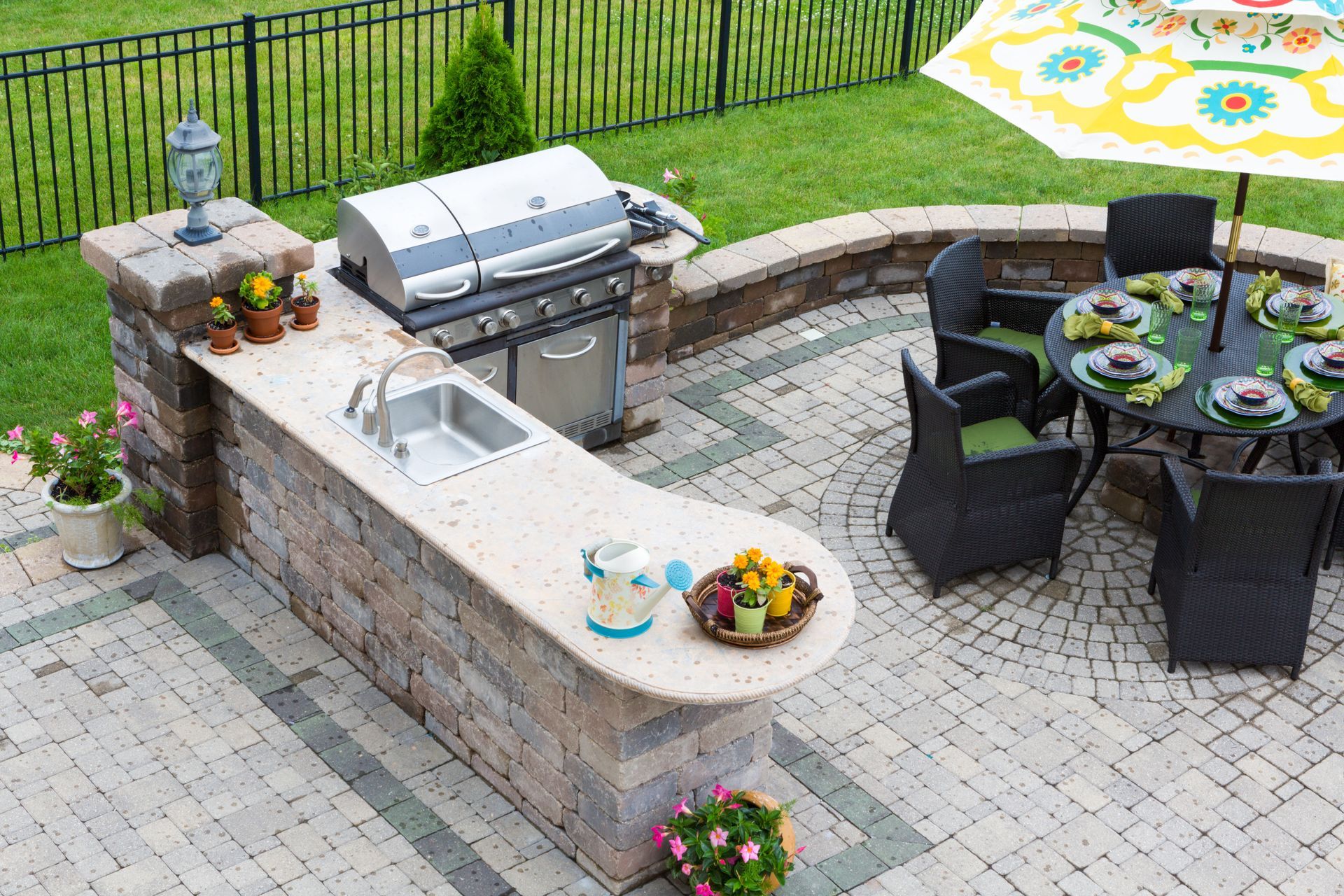
Outdoor kitchens and dining areas extend living spaces beyond the home, promoting al fresco entertaining and dining. These functional setups often feature amenities like grills, countertops, and dining furniture, creating a cohesive outdoor entertainment space. As the line between indoor and outdoor living blurs, these spaces cater to the growing desire to enjoy and utilize every part of a property. Investing in such outdoor amenities can significantly enhance the home's appeal and marketability. Incorporating these elements into landscape designs reflects a contemporary lifestyle balance and a focus on leisure and comfort.
Cozy Fire Features
Fire features such as pits and outdoor fireplaces add ambiance and warmth to outdoor spaces, making them inviting for year-round enjoyment. These elements not only serve as focal points, but they also enhance the functionality of outdoor settings by providing heat and light. From simple fire bowls to elaborate masonry fireplaces, the options are vast and can be tailored to complement any design aesthetic. They create cozy gathering spots for socializing, relaxation, and entertaining guests under the night sky. Fire features are an enduring trend that embodies comfort and timeless appeal in landscape design.
Relaxing Water Elements
Water features like fountains, ponds, and waterfalls introduce vitality and tranquility to gardens. Their calming soundscapes and aesthetic beauty provide a sensory escape, enhancing the overall sensory experience within a landscape. Carefully positioned water elements can also serve as habitat for wildlife, contributing to the ecological health of the garden. Whether used as focal points or subtle enhancements, water features balance visual and auditory elements, enriching outdoor spaces. As people seek relaxation and peace within their yards, water elements remain popular for their ability to transform environments with nature's therapeutic effects.
Incorporation of Vertical Gardens
Living Walls
Living walls, or vertical gardens, are innovative solutions for maximizing space and enhancing air quality in landscape designs. These plant-covered structures not only add greenery to limited spaces but also offer insulation benefits for buildings. By absorbing carbon dioxide and releasing oxygen, living walls also contribute to improved air quality. This trend is part of a broader movement towards integrating sustainable design practices in urban environments. Whether used indoors or outdoors, living walls create a striking visual impact and offer a unique way to incorporate nature into built spaces.
Vertical Herb Gardens
Vertical herb gardens offer a practical and visually appealing way to grow herbs within confined areas. By utilizing vertical space efficiently, these gardens provide easy access to fresh herbs for culinary use. They can be integrated into any landscape or balcony, adding greenery and fragrance to urban dwellings. Vertical herb gardens exemplify how innovative design can merge functionality and aesthetic value. These gardens are perfect for homeowners seeking to incorporate edible plants into their design while maximizing available area.
Creative Use of Trellises
Trellises support climbing plants and vines, providing structure and interest in garden designs. These vertical structures can transform spaces by encouraging vertical growth and creating natural partitions. By using trellises creatively, gardeners can craft focal points that add height and depth to landscapes. Moreover, trellises are versatile elements that can be crafted from various materials to match any style. They are essential components in vertical gardening, offering support and an aesthetic boost to outdoor spaces.
Edible and Ornamental Plants
Edible Landscaping
Edible landscaping merges aesthetic appeal with food production, integrating fruits, vegetables, and herbs into traditional garden designs. This approach utilizes ornamental plantings alongside edible ones, creating multifunctional spaces that offer beauty and harvests. As interest in homegrown produce increases, edible landscaping provides an innovative solution for maximizing garden potential. By blending productivity with style, these garden designs cater to sustainability and culinary interests. This trend underscores a growing desire to reconnect with food sources and foster self-sufficiency through gardening.
Raised Bed Combinations
Utilizing raised beds to mix decorative and edible plants offers versatile and space-efficient gardening opportunities. Raised beds allow for better soil control, drainage, and accessibility, making them ideal for integrating a variety of plant types. By combining ornamental and edible plants, gardeners can create visually pleasing and productive landscapes. Raised beds also offer solutions for limited-space scenarios, providing functionality and beauty in compact areas. This trend reflects a focus on creativity and practicality in garden design, encouraging innovative combinations that serve multiple purposes.
As landscape design progresses in 2026 and beyond, embracing these trends can create functional, sustainable, and beautiful outdoor spaces. The integration of smart technology and a focus on sustainability reflect contemporary lifestyle demands and values. With thoughtful planning and an innovative approach, homeowners can enjoy spaces that are both technologically advanced and ecologically harmonious. If you're considering what landscape designs might work best for your home, reach out to Gargiulo Landscape today for expert landscaping services!