June 9, 2026
Outdoor spaces carry more weight than simple visual appeal. They influence how a property is used, how comfortable it feels, and how well it performs across changing seasons. A thoughtfully structured landscape can turn underused areas into functional extensions of the home, while also improving long-term property condition and value.
Many property owners reach a point where basic upkeep is no longer enough to support the kind of outdoor environment they want. Layout inefficiencies, drainage concerns, plant selection challenges, and maintenance demands can all limit what a yard is capable of becoming. This is where professional guidance becomes especially important. Working with a local landscaper helps translate broad ideas into structured plans that account for both aesthetics and practicality.
A strong landscape strategy is not just about appearance. It is about aligning the space with how it will actually be used, how much time can realistically be spent maintaining it, and how it can adapt over time without constant correction. The following sections explore how professional planning, design integration, and long-term maintenance strategies come together to optimize outdoor environments in a meaningful way.
Strategic Outdoor Space Planning and Assessment
Site Evaluation and Functional Mapping
Every effective landscape begins with a clear understanding of the site itself. A landscaper typically starts by examining the physical layout of the property, including elevation changes, sun exposure, soil composition, and existing structural elements. These factors determine what is feasible and what adjustments are necessary before any design work begins.
Functional mapping plays a key role in this phase. Rather than viewing the yard as a single open area, it is divided into intended use zones such as relaxation areas, pathways, planting beds, and utility spaces. This structured approach ensures that every square foot of the property has a purpose. It also reduces wasted space and prevents design decisions that may later conflict with how the property is actually used.
At this stage, long-term performance is also considered. A local landscaper will often identify areas that may experience compaction, water pooling, or excessive shade, since these conditions directly affect both usability and plant health over time.
Soil, Drainage, and Environmental Considerations
Soil quality and drainage patterns are foundational to any successful landscape plan. Without addressing these elements early, even well-designed outdoor spaces can experience ongoing issues such as erosion, plant decline, or structural instability in hardscape features.
A landscaper evaluates how water moves across the property during rainfall, where it collects, and how quickly it disperses. This information informs grading adjustments, planting strategies, and material selection. For example, areas with heavier moisture retention may require specific plant types that can tolerate saturated conditions, while sloped areas may need stabilization techniques to prevent soil loss.
Environmental compatibility is also assessed at this stage. The goal is to ensure that the landscape works with the natural conditions of the site rather than against them. This reduces long-term maintenance requirements and supports a more resilient outdoor environment overall.
Defining Long-Term Property Goals
Beyond physical conditions, planning also involves understanding how the property owner intends to use the space over time. A local landscaper helps translate these goals into practical design priorities, whether the focus is entertainment, privacy, recreation, or visual enhancement.
This step ensures that the landscape is not only functional at the time of installation but continues to meet expectations as needs evolve. For example, a family that anticipates increased outdoor activity may require flexible open spaces, while another prioritizing privacy may emphasize strategic plant placement and screening elements.
Clear goal definition also helps prevent unnecessary additions that do not serve a long-term purpose. Instead of overbuilding or excessively planting, the design remains intentional and balanced, supporting both usability and sustainability.
Design Integration and Landscape Optimization
Balancing Hardscape and Landscape Elements
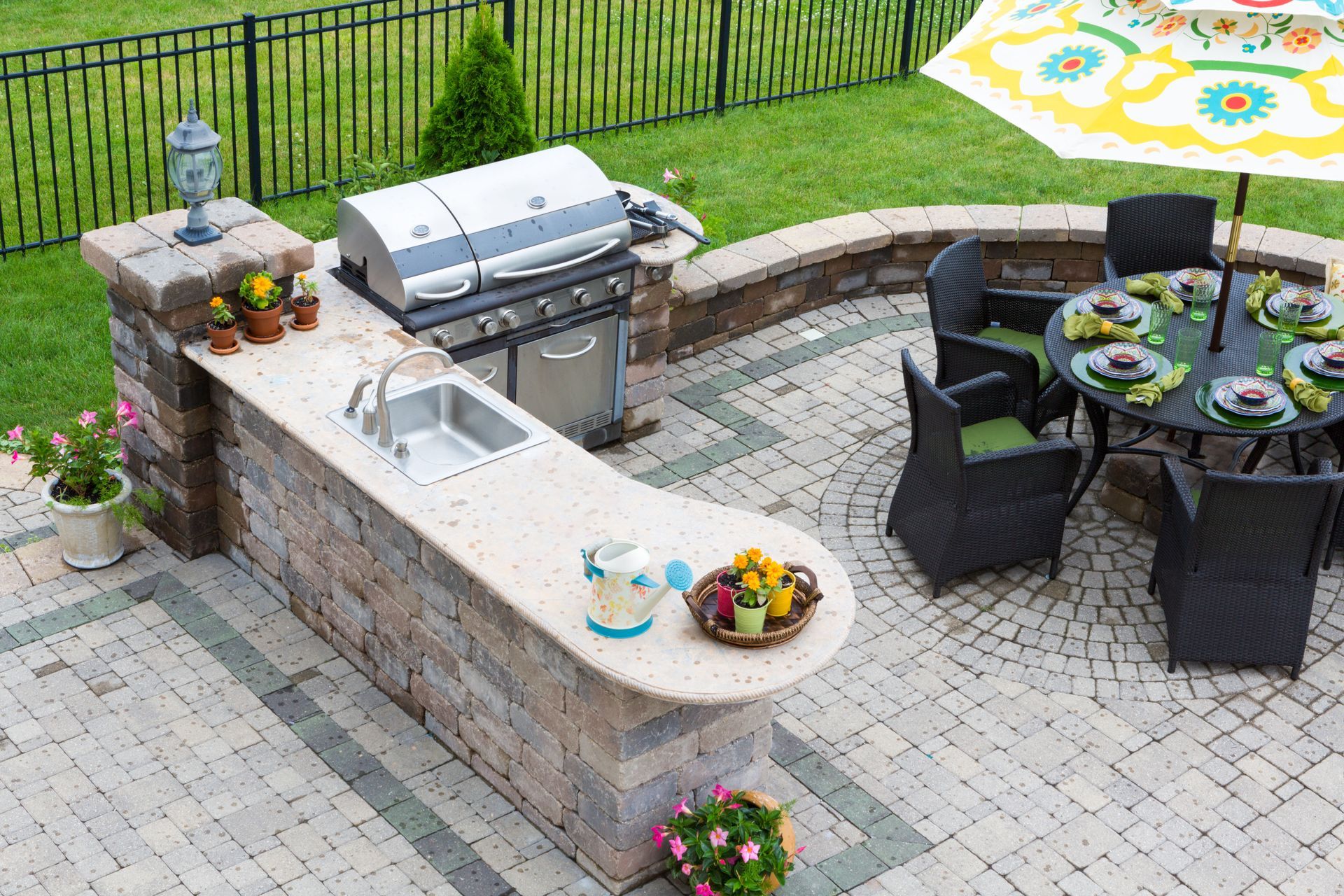
A well-optimized outdoor space depends on the balance between hardscape and landscape elements. Hardscape includes constructed features such as patios, walkways, retaining walls, and seating areas. Landscape elements specifically refer to living components such as trees, shrubs, grass, and garden beds.
A landscaper carefully integrates these two components so that neither overwhelms the other. Hardscape provides structure and function, while landscape elements introduce natural movement, seasonal variation, and ecological value. When properly balanced, the result is a space that feels both organized and organic.
Material selection also plays a role in this balance. Durable surfaces are chosen for high-traffic areas, while softer transitions are used to connect different zones. This prevents visual fragmentation and supports a cohesive overall design.
Plant Selection for Local Conditions
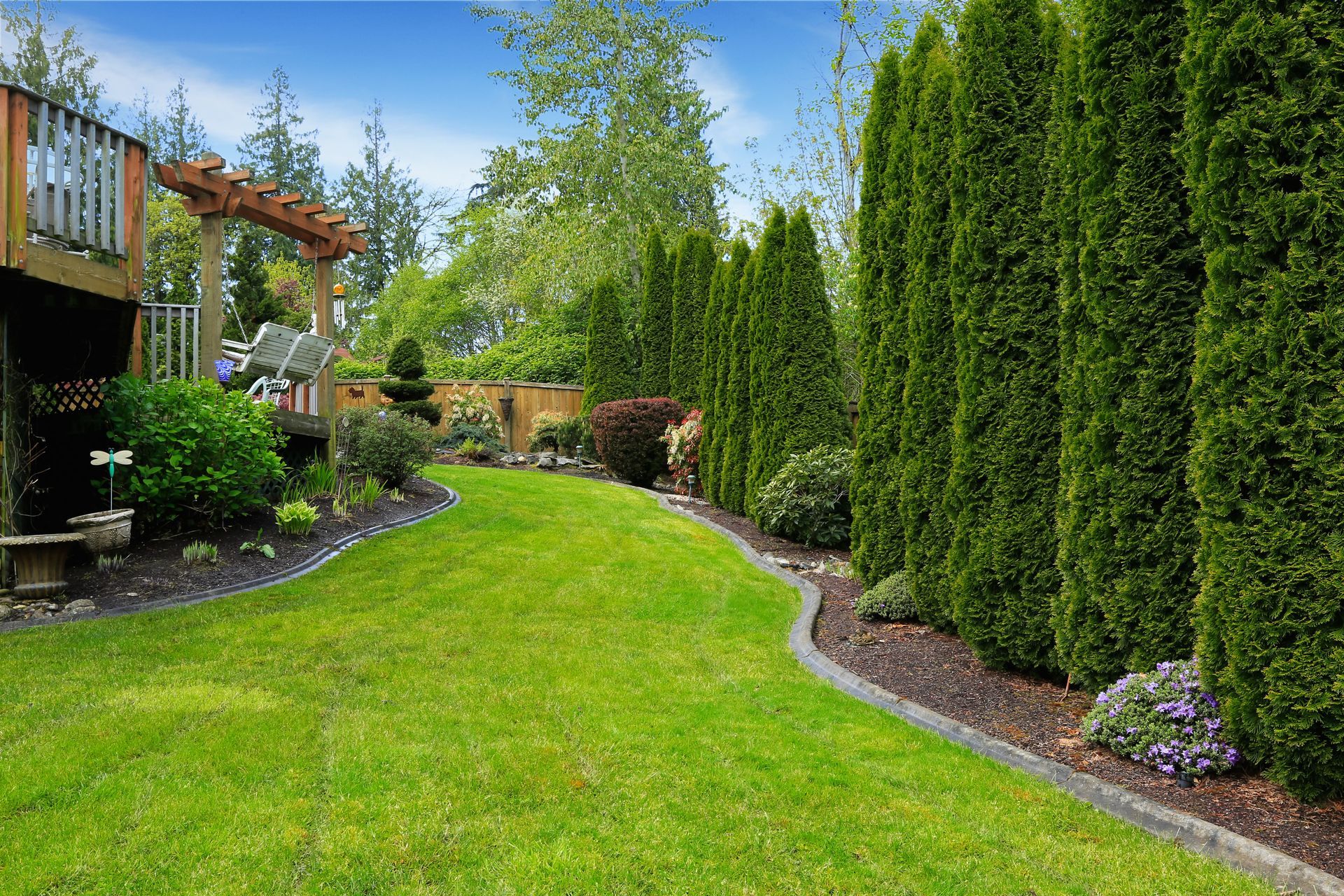
Plant selection is one of the most critical aspects of landscape optimization. A local landscaper prioritizes species that are suited to regional climate conditions, soil types, and seasonal variability. This approach reduces plant stress and improves long-term survival rates.
Native and regionally adapted plants often perform best because they are already aligned with local environmental patterns. They require less intervention, establish more quickly, and contribute to ecological stability within the landscape.
Proper selection also supports visual consistency throughout the year. By combining plants with staggered blooming cycles, varied textures, and complementary growth habits, the landscape maintains interest across all seasons without becoming visually overwhelming or difficult to manage.
Creating Cohesive Outdoor Flow
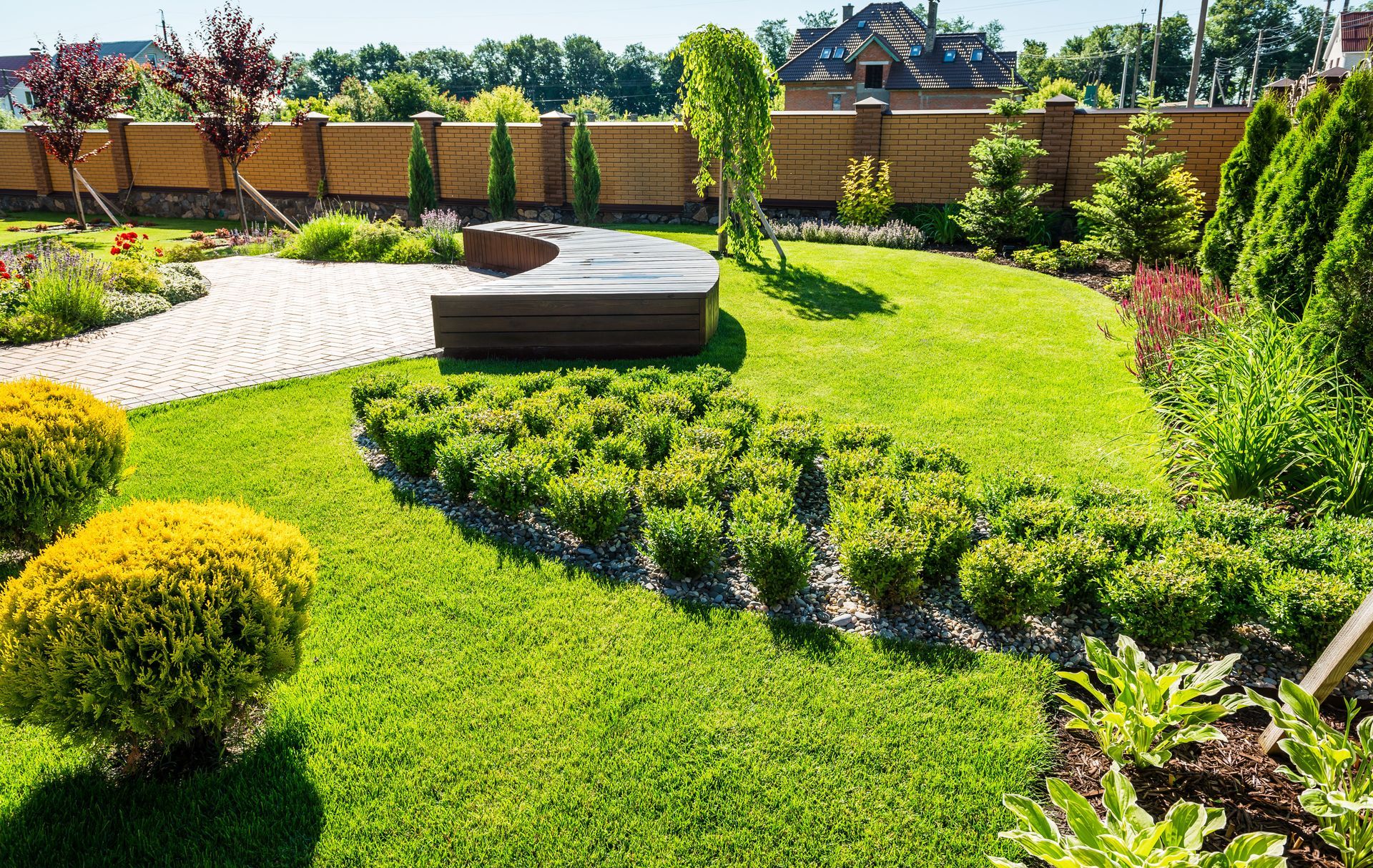
Flow refers to how people move through and experience the outdoor space. A landscaper designs pathways, transitions, and sight lines in a way that feels natural and intuitive rather than forced or segmented.
This includes aligning walking paths with entry points, connecting functional zones without unnecessary interruption, and ensuring that focal points are visible from key vantage positions. When flow is well-executed, the outdoor space feels larger, more accessible, and more inviting.
Cohesion is reinforced through repetition of materials, plant groupings, and structural elements. These repeated design cues help unify the space, making it feel intentionally designed rather than pieced together over time.
Long-Term Maintenance Efficiency and Property Value
Reducing Ongoing Maintenance Demands
One of the most practical benefits of working with a local landscaper is the reduction of long-term maintenance demands. According to LawnStarter, homeowners spend roughly 70 hours per year maintaining their lawn on average, highlighting how time-intensive basic upkeep can become when a landscape is not optimized.
Strategic design choices can significantly reduce this burden. Efficient irrigation layouts, appropriate plant spacing, and low-maintenance plant selections all contribute to a landscape that requires less frequent intervention. Additionally, proper grading and soil preparation reduce recurring issues such as runoff damage or plant replacement.
By designing with maintenance in mind from the beginning, the landscape becomes easier to manage without sacrificing appearance or function.
Enhancing Curb Appeal and Usability
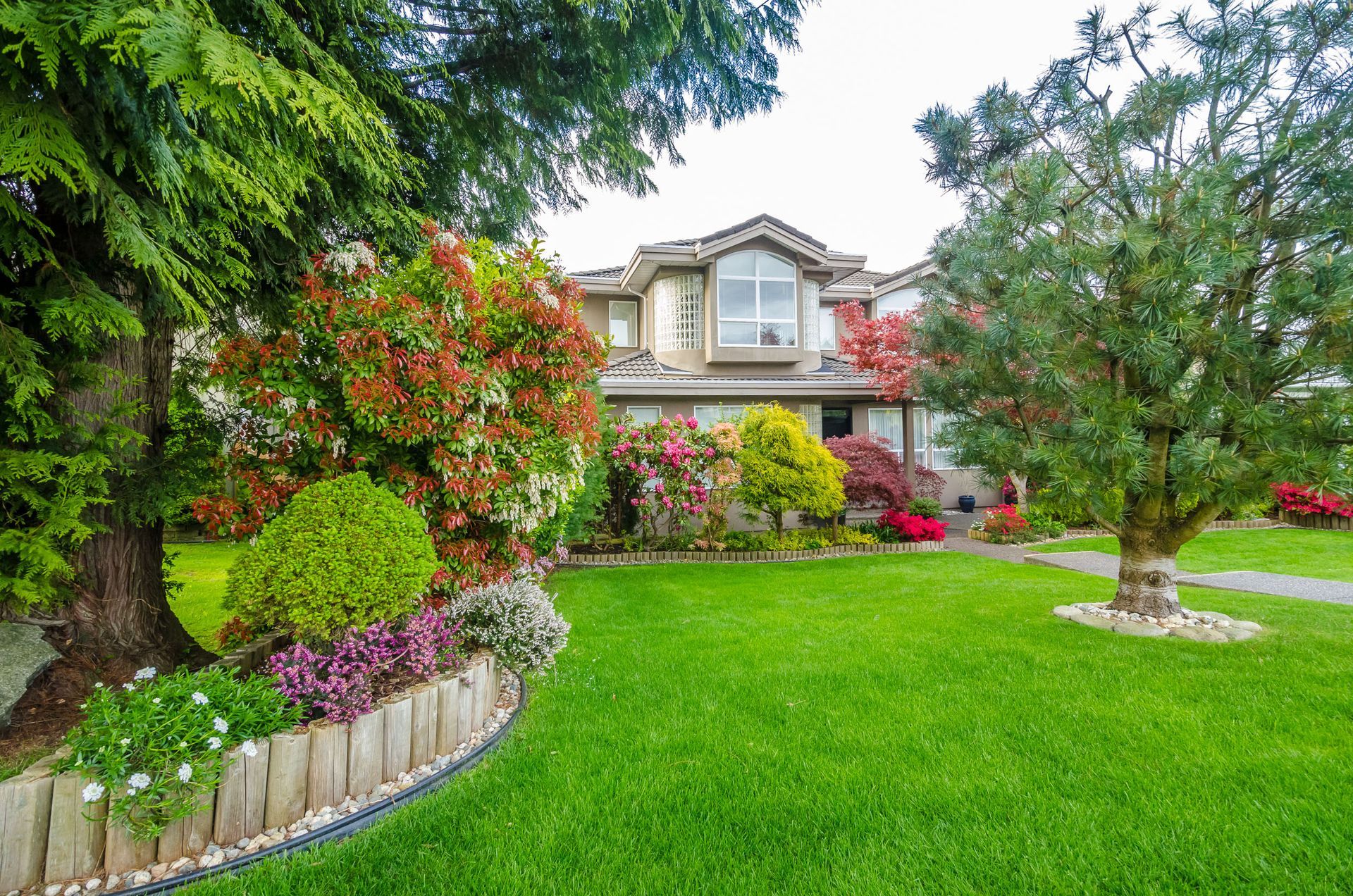
Curb appeal is often the first measurable outcome of a well-designed landscape, but usability is equally important. A local landscaper focuses on both elements simultaneously, ensuring that the space is visually appealing while also supporting everyday activities.
Well-defined borders, structured planting arrangements, and intentional focal points all contribute to a strong visual impression. At the same time, accessible pathways, usable gathering areas, and functional layouts ensure that the space serves a real purpose beyond aesthetics.
This dual focus improves the overall value of the property by making it more attractive to both occupants and potential buyers, while also enhancing day-to-day livability.
Sustainable Practices and Seasonal Adaptability
Sustainability is increasingly central to modern landscape optimization. A local landscaper incorporates practices that support long-term environmental balance, including soil health preservation, water-efficient design, and plant selections that reduce resource dependency.
Seasonal adaptability is also important. Landscapes that are designed to transition smoothly between seasons require less corrective work throughout the year. This includes selecting plants that provide structure during dormant periods and ensuring that hardscape elements remain functional regardless of weather conditions.
Together, these strategies create an outdoor environment that remains stable, attractive, and functional over time without excessive maintenance or frequent redesign.
Optimizing an outdoor space requires more than isolated improvements or aesthetic upgrades. It involves a coordinated approach that considers site conditions, design structure, and long-term usability. When these elements are addressed together, the result is a landscape that performs well in both practical and visual terms. Working with a local landscaper provides the advantage of structured planning and informed decision-making at every stage of development. Reach out to Gargiulo Landscape for expert assistance with landscape design!