October 9, 2026
A beautiful yard is one of the best parts of owning a home. It gives you a spot to relax on warm weekends, offers a safe area for kids and pets to play, and adds serious curb appeal to your property. Investing in your yard pays off in more ways than one. According to The Plan Collection, outdoor living spaces can increase your property value by 8% to 12%. However, creating a yard that looks great and functions well takes careful planning. Without a thoughtful landscape design, simple projects can quickly turn into stressful, expensive headaches.
Many homeowners jump straight into planting without realizing how much strategy goes into a thriving yard. Avoiding a few common traps in landscape design can save you thousands of dollars, endless hours of maintenance, and plenty of frustration down the road. If you want to build a stunning outdoor retreat that stands the test of time, keep these common blunders in mind before you dig your first hole.
Ignoring Local Growing Conditions
It is easy to fall in love with pictures of lush tropical plants or colorful exotic flowers in home improvement magazines. Buying whatever looks pretty at the local garden center is a huge temptation, but placing plants in environments where they cannot thrive is a recipe for disappointment. Every yard has its own unique ecosystem, including specific soil conditions, sunlight exposure, and natural drainage patterns.
Before picking out your plants, you need to assess your yard's natural environment as part of your overall landscape design. Sun-loving plants will grow weak and leggy if stuck in total shade, while shade lovers will scorch under intense afternoon sun. Heavy clay soil traps water and can rot plant roots, whereas sandy soil loses moisture before plants can drink it up. For a successful outcome, build your plan around your climate zone. Choosing native flora makes your maintenance routine vastly easier because those species have already adapted to thrive in your local weather without needing constant artificial intervention.
Overlooking Future Plant Sizes
That tiny shrub sitting in a four-inch pot at the nursery looks harmless right now. However, planting it too close to your front porch, walkway, or home foundation can lead to major complications in just a few short years. A top error made during project planning is failing to account for how large trees, shrubs, and bushes will become once they reach full maturity.
When plants are spaced too closely together, they end up fighting for vital nutrients, sunlight, and soil moisture. Overcrowded gardens quickly look messy and overgrown rather than full and lush. Even worse, aggressive tree roots can easily crack concrete walkways, breach patio pavers, and disrupt underground plumbing lines. Overhanging branches can also scrape up your roof shingles or block natural light from reaching your house windows. Always read the care tag on every plant to check its mature height and spread, integrating those measurements directly into your landscape design. Give your foliage the room it needs to grow comfortably.
Neglecting Essential Drainage Needs
Nothing ruins a lovely yard faster than standing water, swampy grass, or flooded basements after a heavy rainstorm. Good water management is one of the most critical elements of thoughtful planning, yet it is frequently forgotten until serious storm damage happens.
If you alter the grade of your lawn without considering where rainwater will flow, you risk redirecting heavy water runoff straight toward your home foundation or into your neighbor's yard. Low spots in the yard quickly collect stagnant water, killing off healthy grass and turning your outdoor space into a breeding ground for mosquitoes. A successful project requires working with your property’s natural slope. Integrating French drains, building attractive rain gardens, or using permeable pavers for your walkways into your landscape design helps direct water safely away from your house, protecting both your home foundation and your lawn investments.
Skimping on Proper Lighting
You spent time, effort, and money building an amazing yard, so why let all that effort disappear the second the sun goes down? Omitting outdoor illumination from your landscape design is a huge missed opportunity to extend your enjoyment of your outdoor space well into the night.
A lack of proper lights makes patio areas unusable after dusk and creates serious safety hazards along dark stone pathways, garden steps, and patio edges. On the flip side, blinding floodlights can feel harsh and uninviting, ruining the cozy atmosphere you wanted to create. A balanced layout incorporates layered lighting for safety, functionality, and visual appeal. Use soft path lights to guide steps safely, add subtle spotlights to highlight striking trees or garden features, and hang warm string lights around seating areas to create an inviting evening mood.
Forgetting Long-Term Maintenance Tasks
A high-maintenance yard might look stunning on day one, but if you do not have the time, budget, or energy to care for it, that beauty will fade fast. A major mistake is creating an overly complex landscape design without realistically considering the ongoing upkeep required to keep it looking sharp.
High-maintenance features like elaborate formal hedges, intricate flower beds filled with delicate annuals, and massive expanses of thirsty turf grass require constant mowing, weeding, fertilizing, and trimming. If your work schedule is busy, you might quickly feel overwhelmed by the endless weekend chores. Be completely honest with yourself about how much effort you want to put into yard work. If you prefer spending your weekends relaxing rather than pushing a lawnmower, choose slow-growing shrubs, perennial flowers, automatic drip irrigation systems, and generous mulch beds that naturally keep weeds from taking over.
Skirting Structural Safety Rules
It can be exciting to start digging up dirt, laying down patio stones, or building high retaining walls. However, jumping straight into physical work without checking local building guidelines or locating underground utility lines is a dangerous and expensive error.
Digging blindly can slice right through buried electrical lines, internet cables, gas pipes, or water mains, leading to massive repair bills, utility outages, and severe safety hazards. Additionally, ignoring local municipal codes, property boundaries, or neighborhood association guidelines can land you in trouble, resulting in heavy fines or orders to tear down your new installation. Before starting any major earth-moving project, always call your local utility locator service to mark buried lines. Check with your local city building department to secure necessary permits and ensure your plans meet all local building safety standards.
Failing to Define Spaces
A wide, open stretch of grass might seem full of potential, but without clear organization, large yards often feel empty, awkward, and unstructured. A widespread misstep in landscape design is throwing various features into a yard without creating distinct, functional zones.
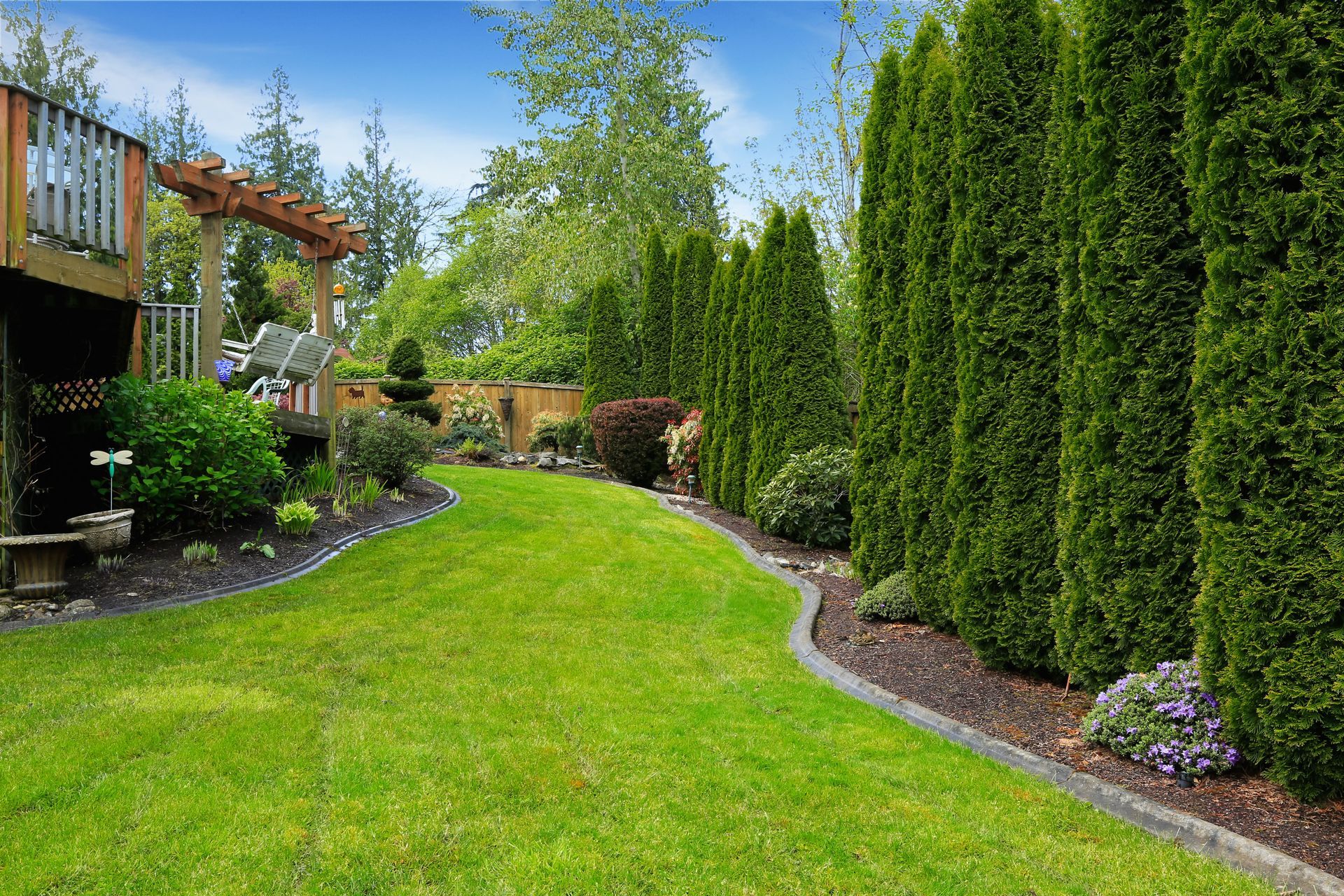
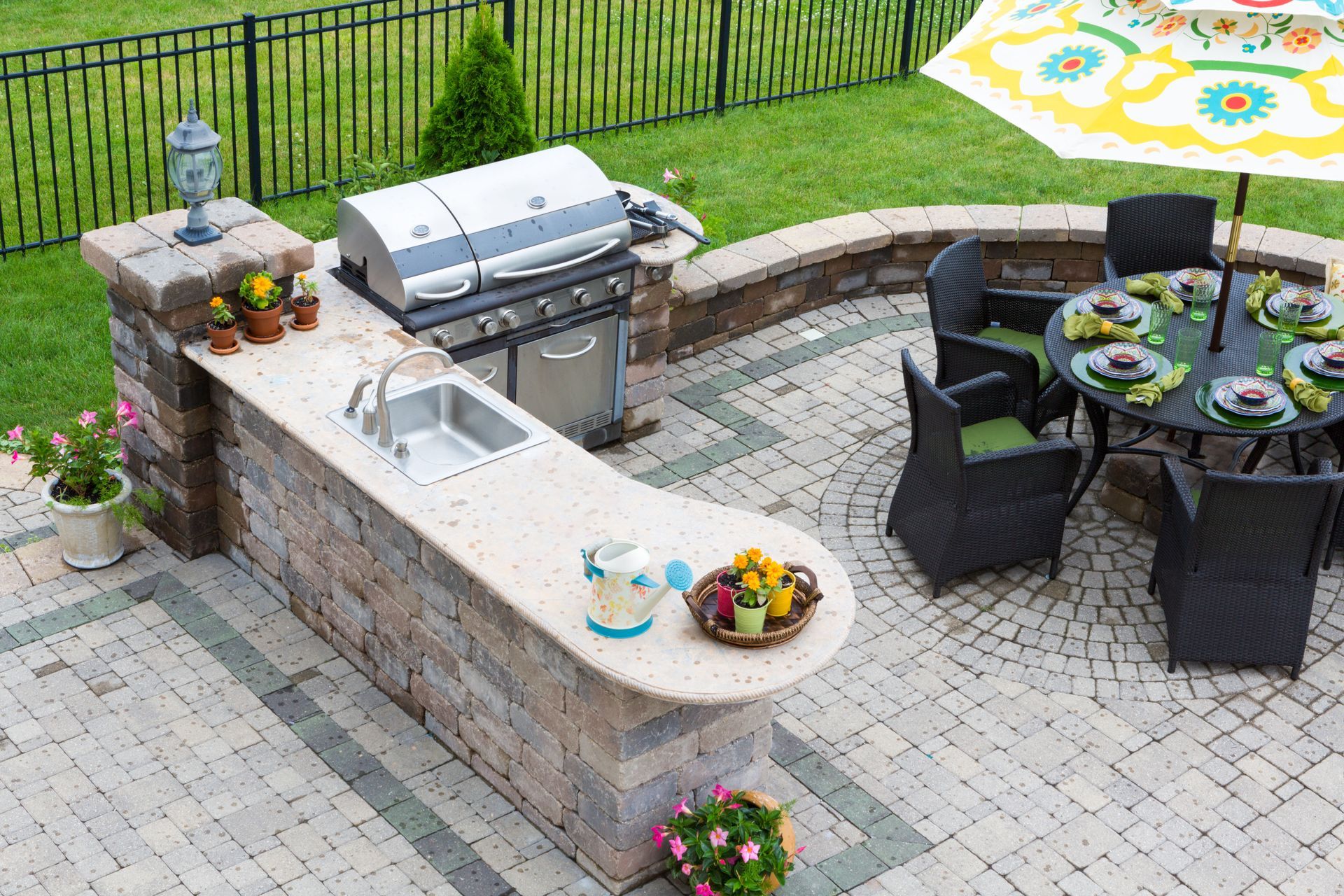
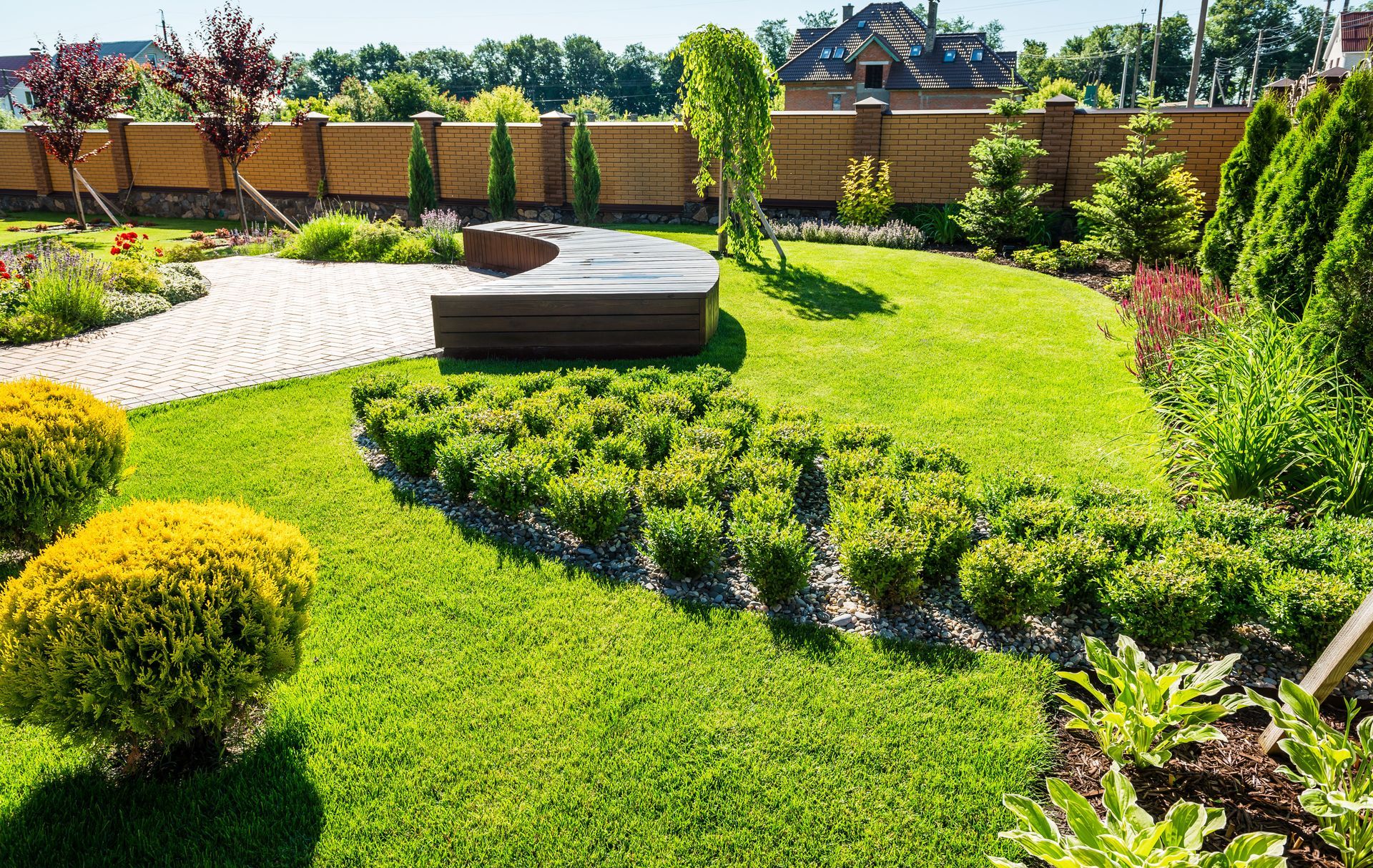
Think of your outdoor space as an extension of your home's interior floor plan. Just as your house has separate rooms for cooking, dining, lounging, and playing, your yard needs clear zones tailored to specific activities. Use natural borders like stone retaining walls, low hedges, ornamental grasses, or paved pathways to separate your dining patio from a kid-friendly play area or a quiet reading garden. Defining clear zones gives your yard purpose, improves foot traffic flow, and creates a cohesive look that brings the entire property together.
Smart planning saves time, protects your budget, and ensures that your outdoor investment brings you joy for years to come. Ready to transform your home’s outdoor space with expert guidance? Visit Gargiulo Landscape online today to schedule your complete property consultation!