November 24, 2026
A well-planned yard doesn't just happen by accident. It's the result of thoughtful foresight that accounts for changing weather and shifting sunlight. Many homeowners fall in love with a specific plant or patio layout in the spring, only to find their lawn scorched by July or their perennial beds barren by November. Experienced landscape design companies understand that a successful outdoor space must perform across all twelve months, adapting to everything from harsh winter freeze-thaw cycles to dense summer tree canopies.
By mapping out microclimates, selecting resilient native species, and designing adaptable hardscapes, professionals ensure your property remains functional, vibrant, and low-maintenance year-round. Rather than treating outdoor renovations as quick cosmetic upgrades, these specialists look at the big picture, anticipating how mature trees will cast deeper shadows over time and how seasonal storms will test drainage systems. That forward-thinking strategy protects your investment and keeps your outdoor living spaces inviting in every season.
Evaluating Sunlight and Shade Patterns
Before any soil is turned or pavers are laid, top landscape design companies conduct a thorough site analysis to track how light moves across your property. Sunlight isn't static; the sun sits much higher in the sky during June than it does in December, meaning an area bathed in afternoon sun during summer might sit in deep shadow by autumn. Designers observe existing mature trees, neighboring structures, and roof overhangs to distinguish between full sun, dappled shade, and deep shade. Understanding these light zones prevents the costly mistake of placing sun-loving blooms in dark corners where they'll struggle to survive or planting shade-tolerant ferns in exposed spots where their leaves will burn.
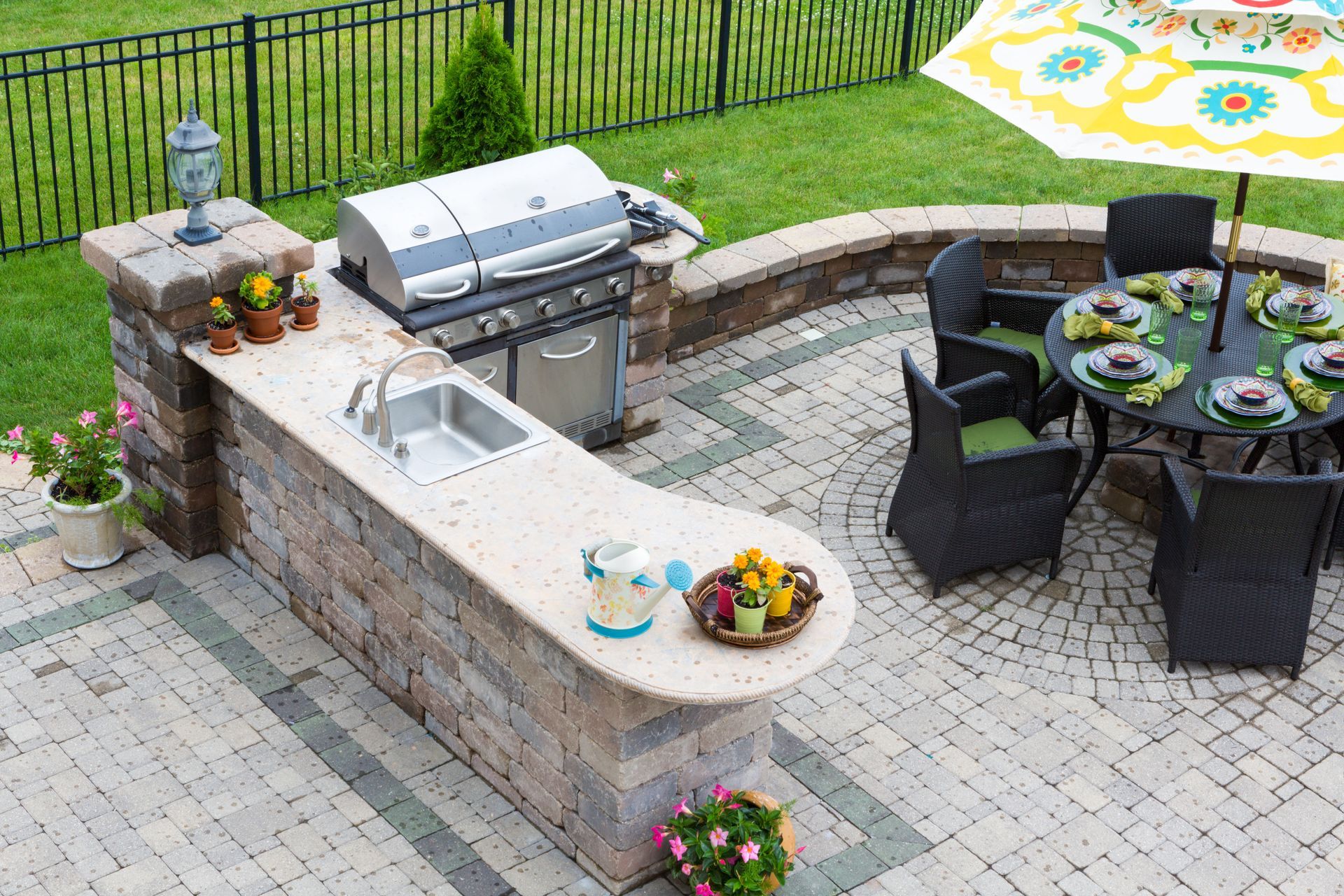
Beyond plant health, light mapping dictates where outdoor living features belong. Nobody wants to cook at an outdoor kitchen while staring directly into a blinding late-afternoon sun, nor do they want a swimming pool shaded all day by a stand of tall oaks. Designers use shadow patterns to position patios, pergolas, and seating areas for maximum comfort. By aligning architectural elements with natural light corridors, they create inviting spaces that capture morning warmth while offering natural relief during the hottest hours of the day.
Selecting Plants for Four-Season Interest
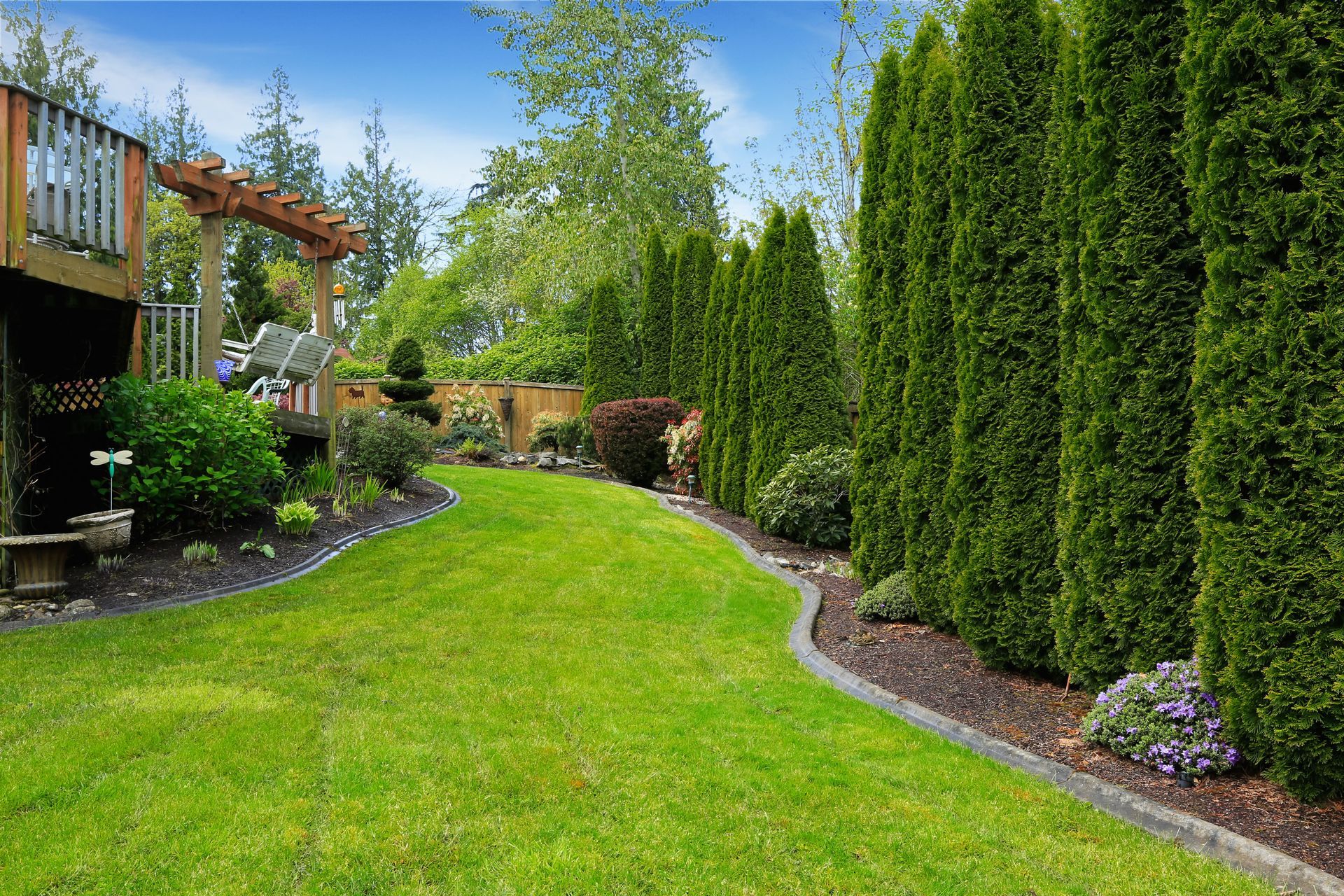
One of the hallmarks of professional planning is ensuring a yard looks intentional even when flowers aren't in bloom. Skilled landscape design companies avoid relying solely on brief spring blossoms, instead layering evergreens, ornamental grasses, and deciduous trees with striking bark or fall foliage. In Western Pennsylvania, where winters can feel long and gray, structural plants like boxwoods, hollies, and native conifers provide essential color and texture against a snowy backdrop. When spring arrives, early bulbs and flowering shrubs emerge, seamlessly transitioning into summer perennials and autumn asters.
Native and regionally adapted plants play a starring role in this seasonal rotation. Because native species have evolved to thrive in local soil conditions and precipitation levels, they're naturally equipped to handle summer humidity and winter frost without excessive watering or chemical fertilizers. Designers group plants with similar moisture and light needs together, creating self-sustaining plant communities. In shaded areas under mature trees, they might layer hostas, ferns, and woodland wildflowers that flourish in cool, moist soil, turning tricky dark spots into lush, low-maintenance focal points.
Designing Hardscapes for Freeze-Thaw Durability
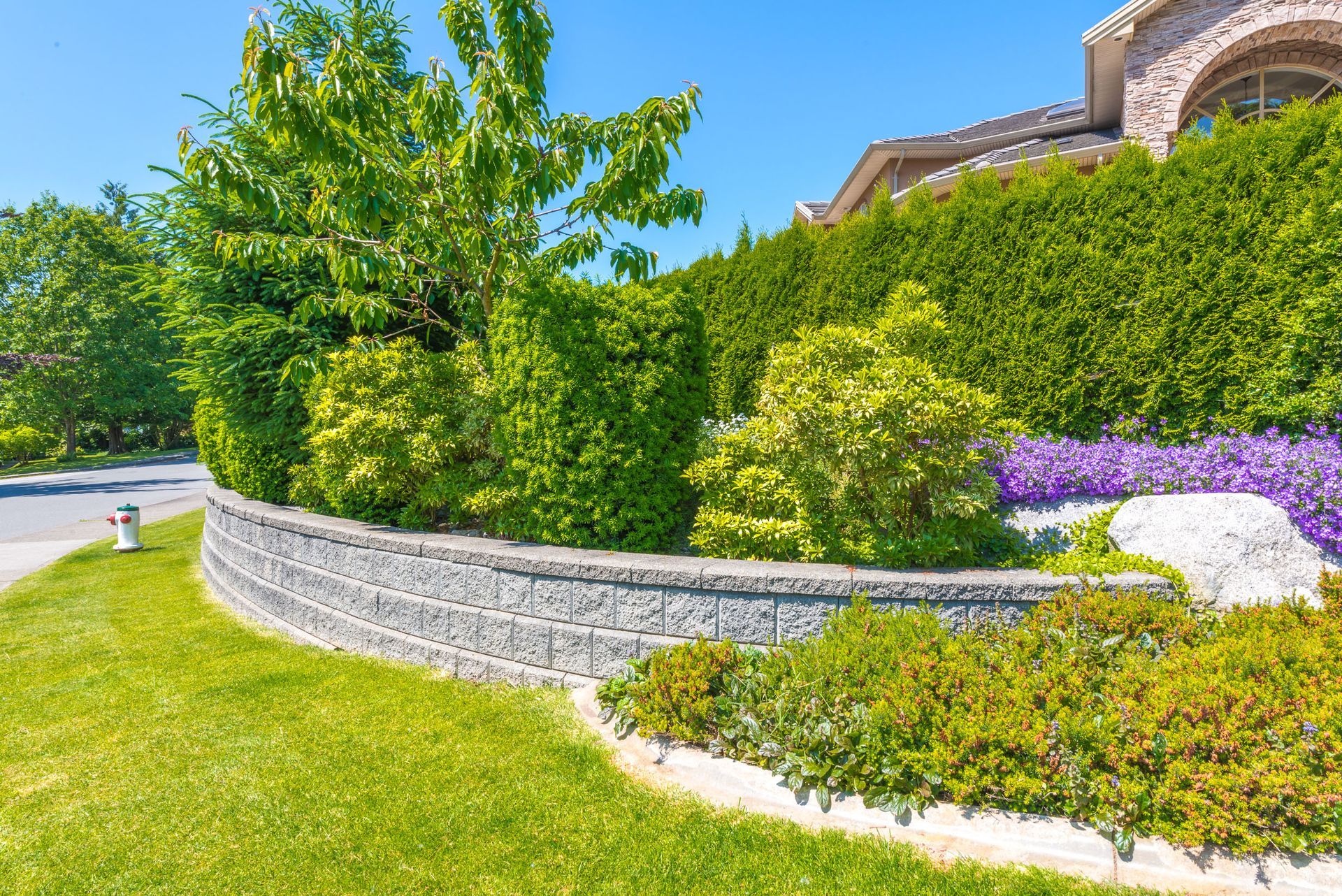
Hardscaping elements like stone walkways, retaining walls, and outdoor fireplaces anchor a landscape, providing structure when dormant plants recede in winter. However, regions with distinct seasons put tremendous stress on masonry and stonework. When water seeps into the ground and freezes, it expands, shifting poorly constructed patios and cracking mortar joints. Reputable landscape design companies engineer their hardscapes from the ground up to withstand these freeze-thaw cycles, excavating deep bases and using compacted aggregate materials that promote rapid drainage beneath the surface.
Material selection is equally critical when accounting for temperature swings and varying light exposure. Natural stone, permeable pavers, and textured concrete behave differently in sun and shade. Dark stone surfaces in full sun can become uncomfortably hot underfoot in July, whereas smooth pavers in damp, shaded areas can develop slippery moss if drainage isn't carefully graded. By choosing materials suited to each zone's specific exposure and integrating proper water runoff channels, designers ensure hardscapes remain safe, level, and attractive for decades.
Integrating Drainage and Microclimate Solutions
Every property contains subtle microclimates, pockets where wind, moisture, and temperature behave differently than in the surrounding yard. A south-facing brick wall radiates heat long after sunset, creating a warm zone that can extend the growing season for tender plants. Conversely, a low-lying north-facing slope holds onto cold air and moisture well into spring. Seasoned landscape design companies leverage these natural variations rather than fighting against them, tucking sensitive perennials near warm walls and installing water features or rain gardens in natural drainage swales.
Proper water management ties the entire seasonal plan together. Heavy spring rains, summer thunderstorms, and melting winter snow all need clear pathways away from your home's foundation and outdoor living spaces. Designers incorporate subtle grading, French drains, and dry creek beds that blend naturally into the surrounding plantings. These features prevent standing water in shaded, slow-drying areas while capturing stormwater to nourish thirsty summer roots, protecting both your home and your landscape investment through every weather event.
Maximizing Comfort Through Strategic Features
Modern outdoor living is all about extending the time you can comfortably spend outside, regardless of the forecast. According to the National Association of Landscape Professionals, over 40% of U.S. homeowners rely on professional landscapers to turn their outdoor areas into practical living spaces. To make those investments pay off across multiple seasons, designers integrate features that actively regulate temperature and light. Custom pergolas with angled louvers, retractable canopies, and strategically placed shade trees cool down sun-drenched patios during peak summer heat without blocking welcome winter sunlight once the leaves drop.
As temperatures dip in autumn and early spring, fire features and thoughtful enclosures take center stage. Built-in stone fireplaces, fire pits, and windbreak hedges create cozy gathering spots that remain usable well into November. Even water features are planned with seasonal transitions in mind; designers install accessible pumps and filtration systems that are easy to winterize, ensuring fountains and ponds gracefully pause during freezing months and spring back to life when warm weather returns.
Balancing sunlight, shade, soil drainage, and four-season aesthetics requires both artistic vision and technical expertise. When homeowners tackle yard projects piecemeal, they often end up with disjointed spaces that thrive in May but struggle by August. Working with dedicated landscape design companies brings a cohesive, long-term strategy to your property, ensuring every tree, patio stone, and lighting fixture serves a clear purpose throughout the year. From sustainable native plantings to weather-resistant outdoor kitchens and pools, professional planning turns seasonal challenges into opportunities for year-round beauty.
Your yard should be a source of pride and relaxation no matter what the calendar or weather forecast says. With the right design foundation, deep shade becomes a cool summer sanctuary, winter snow highlights architectural evergreens, and every season brings something new to enjoy right outside your door. Investing in thoughtful, sustainable planning ensures your outdoor spaces remain vibrant, functional, and resilient for decades to come, adding lasting beauty and value to your home. If you're ready to transform your property into a thriving, four-season outdoor retreat, contact Gargiulo Landscape today to schedule your free estimate.