March 18, 2026
Landscaping plays an important role in shaping the appearance, usability, and long-term performance of outdoor spaces. Thoughtful landscape design and installation can enhance curb appeal, support outdoor living, and help properties integrate more naturally with their surroundings. Choosing local landscapers for these services offers meaningful advantages, particularly when projects require an understanding of regional conditions, materials, and design preferences.
This article explores the benefits of working with landscaping professionals rooted in the community and examines how familiarity with the area contributes to outdoor environments that remain effective and visually cohesive over time.
Local Environment Assessment
Climate Awareness
Local landscapers bring firsthand experience with regional climate patterns, including seasonal temperature shifts, precipitation levels, and sun exposure. This awareness informs decisions related to plant placement, material selection, and overall layout. By accounting for how weather conditions influence outdoor spaces throughout the year, designs can remain functional and visually consistent across changing seasons.
Regional Soil Conditions
Soil composition can vary widely, even within the same geographic area. Professionals familiar with regional soil characteristics understand how these conditions affect drainage, root development, and long-term plant performance. This knowledge supports proper site preparation and helps ensure landscapes are built on a foundation suited for stability and growth.
Native and Regional Plant Selection
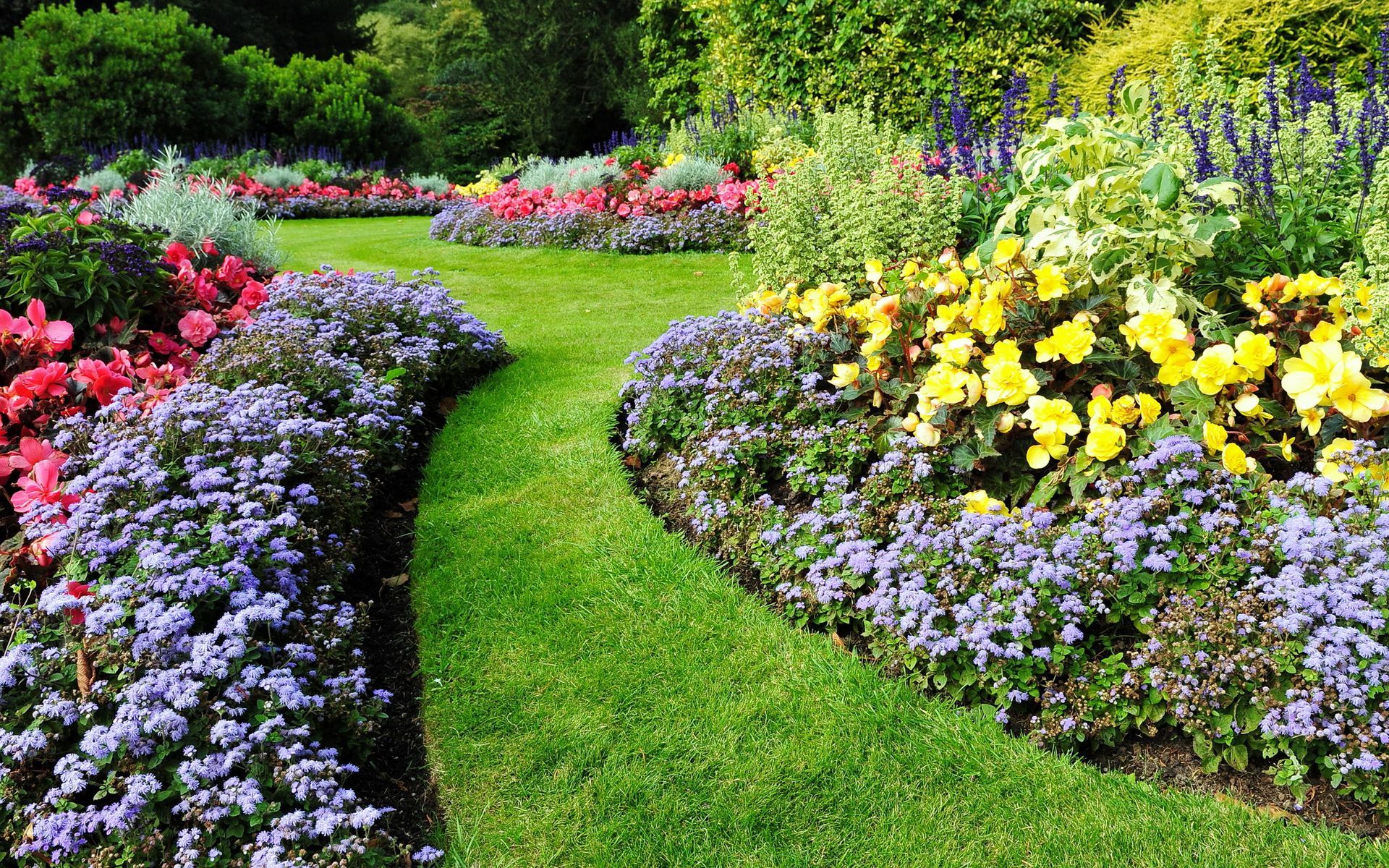
Experience with native and regionally appropriate plants supports sustainable landscape planning. Plants well suited to the local environment tend to integrate more naturally into outdoor spaces and align with surrounding ecosystems. Thoughtful plant selection also contributes to landscapes that maintain their appearance and structure over time.
Awareness of Regional Challenges
Working consistently within the same area allows professionals to recognize environmental stressors that may affect plant longevity. This awareness supports smarter decisions related to spacing, placement, and plant combinations that encourage resilience. Addressing these considerations during design and installation helps outdoor spaces perform well without unnecessary intervention.
Efficient Water Use Through Design
Familiarity with local rainfall patterns and site conditions makes intentional water usage easier. Design elements such as grading, plant selection, and irrigation layout can be planned to support efficient watering practices. These considerations help landscapes function effectively while aligning with responsible resource use appropriate for the region.
Economic and Practical Advantages
Streamlined Project Coordination
Hiring local landscapers can simplify project coordination and planning. Proximity allows for efficient site visits, clearer communication, and smoother scheduling throughout each phase of work. Familiarity with nearby suppliers and commonly used materials can also help reduce delays during construction.
Supporting the Local Economy
Engaging regional landscaping professionals contributes directly to the surrounding economy by supporting local businesses and skilled trades. According to Kentley Insights, there were 6,501 companies in the landscape design industry in 2024. Investing in services provided within the community helps sustain regional expertise and long-term economic stability.
Reduced Transportation Demands
Working with a provider based nearby minimizes the need for long-distance transportation of labor and materials. This logistical efficiency supports timely project execution and keeps planning focused on design quality rather than transportation limitations. Reduced travel requirements also contribute to more predictable scheduling.
Local Experience
Professionals who regularly work in similar environments bring insight shaped by repeated exposure to regional conditions. This experience allows potential site considerations to be identified early in the process. As a result, projects often progress more smoothly and efficiently from design through installation.
Personalized Customer Experience
Customized Landscape Design
Local landscapers are well positioned to create designs tailored to specific property needs, visual preferences, and functional goals. Collaboration throughout the design process allows outdoor spaces to reflect how they will be used, whether for relaxation, entertaining, or everyday enjoyment. This approach supports landscapes that feel intentional and well suited to the property.
Scheduling and Accessibility
Proximity often allows for greater flexibility when coordinating project timelines. Being nearby makes it easier to accommodate adjustments and respond to evolving needs during the project lifecycle. This accessibility helps ensure work progresses in alignment with expectations and planning goals.
Clear and Direct Communication
Clear communication plays an important role in successful landscape projects. Working with a team based in the area makes it easier to discuss ideas, review progress, and address questions as work moves forward. Ongoing communication supports alignment between design intent and final outcomes.
Long-Term Landscape Planning
Establishing a working relationship with a regional provider can support future updates or enhancements. Familiarity with the property allows for continuity in design decisions over time. This long-term perspective helps outdoor spaces evolve while maintaining visual consistency.
Dependability and Regional Familiarity
Experience With Area-Specific Conditions
Local landscapers bring experience shaped by the challenges and opportunities unique to the region. This familiarity supports informed decision-making when working with terrain variations, drainage considerations, or existing landscape features. Regional experience helps guide practical solutions during both planning and installation.
Access to Regional Materials
Sourcing materials locally can support cohesive design and practical execution. Materials commonly used in the region often integrate naturally with surrounding environments. This approach contributes to a consistent aesthetic and dependable material availability.
Adherence to Local Standards
Landscaping projects benefit from familiarity with local regulations and site considerations. Understanding regional requirements helps ensure projects are planned responsibly from the outset. This awareness supports smoother project execution and avoids unnecessary complications.
Environmental Considerations
Reduced Environmental Impact
Local sourcing and minimized transportation help reduce the overall environmental footprint of landscaping projects. Designing and building with nearby resources supports a more regionally integrated approach. These practices contribute to efficient use of materials and planning.
Sustainability Through Design Choices
Sustainability in landscaping often begins with intentional design decisions. Using plants suited to the local environment and working with natural site conditions supports durability and long-term balance. These choices help landscapes remain functional over time.
Contribution to Biodiversity
Landscapes that incorporate a range of plant types contribute to healthier ecosystems. Varied plant selection enhances visual interest while supporting natural processes. This variety helps outdoor spaces remain dynamic and resilient.
Use of Materials
Efficient use of materials and thoughtful construction practices help minimize waste. Planning material quantities carefully supports both design integrity and responsible resource use. These considerations contribute to sustainable project outcomes.
Cultural and Aesthetic Alignment
Regional Character
Local landscapers understand the visual and cultural elements that shape outdoor spaces in the area. This awareness supports designs that feel appropriate for the region and complement surrounding properties. Regional character helps landscapes feel cohesive within their setting.
Existing Features
Respecting existing elements such as mature trees, stonework, or natural contours adds continuity to outdoor spaces. Incorporating these features into new designs allows landscapes to evolve while preserving context. This approach supports both character and functionality.
Property Use and Preferences
Designing outdoor environments that reflect how people use their spaces is essential. Professionals work closely with property owners to ensure landscapes are functional and visually aligned with preferences. This focus supports long-term satisfaction and usability.
Regionally Compatible Materials
Selecting materials that complement the local environment supports cohesive design and performance. Regionally compatible materials help outdoor spaces feel grounded within their surroundings. This alignment contributes to visual consistency and durability.
Choosing local landscapers for landscape design and installation provides advantages shaped by regional knowledge and hands-on experience. An understanding of local conditions, thoughtful plant selection, and collaborative design all contribute to outdoor spaces that balance functionality and visual appeal. For property owners interested in learning more about well-planned landscapes informed by local insight, exploring the services offered by Gargiulo Landscape is a strong next step.